Personal Care — Skincare
Skincare begins within —
what you apply daily becomes skin deep
Your skin is the body’s largest organ and one of its most absorptive surfaces. What you apply to it — morning and night, every day — doesn’t simply sit on the surface. It migrates inward. Most conventional skincare is built on a petroleum-based foundation, with fragrance, preservatives, and synthetic actives that have never been tested for long-term cumulative exposure. Shake asks: what is actually in your moisturiser, serum, and cleanser — and is it genuinely working for your skin, or quietly working against your body?
Common Skincare Ingredients
Know what you’re putting
on your skin — daily.
The average person applies 9 personal care products before leaving the house — exposing themselves to over 126 unique chemical ingredients each morning. Most have never been independently tested for long-term dermal absorption or cumulative toxicity.
| Ingredient | Found In | Status | What to Know |
|---|---|---|---|
| Petrolatum / Mineral Oil | Moisturisers, lip balms | Avoid | Petroleum-derived. The EU classifies petrolatum as a potential carcinogen when not fully refined. Creates an occlusive barrier that traps impurities — provides zero skin nutrition, only the appearance of moisture. |
| Parabens (methyl, propyl, butyl) | Most conventional skincare | Avoid | Synthetic preservatives that mimic oestrogen in the body. Detected in breast tissue in multiple studies. Banned in Denmark for products used on children under three. |
| Synthetic Fragrance | Moisturisers, serums, cleansers | Avoid | “Fragrance” on a label can represent a blend of up to 3,000 undisclosed chemicals — many with sensitising, allergenic, or hormone-disrupting profiles. |
| Oxybenzone / Octinoxate | Chemical SPF sunscreens | Avoid | Chemical UV filters absorbed through the skin — detected in blood, urine, and breast milk within hours of application. Oxybenzone is a known endocrine disruptor. Banned in Hawaii. Choose mineral SPF instead. |
| PEGs (polyethylene glycols) | Creams, serums, cleansers | Avoid | Petroleum-derived penetration enhancers. Can be contaminated with 1,4-dioxane — a probable human carcinogen. Also make it easier for other chemicals to penetrate the skin barrier. |
| Retinol (synthetic vitamin A) | Anti-ageing serums, creams | Use Mindfully | Clinically effective but causes irritation and photosensitivity. Bakuchiol — a plant-derived alternative — now has clinical evidence matching retinol’s performance with far fewer side effects. |
| Niacinamide (vitamin B3) | Serums, moisturisers | Recommended | Supports skin barrier function, reduces redness, regulates sebum, and brightens without sensitising. Strong evidence base and a clean safety profile. |
| Bakuchiol | Natural serums, oils | Recommended | Plant-derived. A 2018 British Journal of Dermatology study found bakuchiol matched retinol in reducing fine lines — with significantly less irritation. Non-photosensitising and pregnancy-safe. |
| Plant Oils (rosehip, marula, sea buckthorn) | Facial oils, serums | Recommended | Cold-pressed botanical oils deliver fatty acids, antioxidants, and fat-soluble vitamins the skin readily absorbs. Genuine bioavailable actives — not delivery vehicles for synthetic compounds. |
What to be mindful of
Most conventional skincare is built
on a petroleum foundation.
The global skincare industry is worth over $180 billion. A significant portion is built on cheap, petroleum-derived bases combined with synthetic actives and preservatives — chosen for shelf stability and profit margin, not for skin health or long-term safety.
01
The petroleum base most skincare sits on
Petrolatum, mineral oil, and paraffin are derived directly from crude oil. The EU restricts cosmetic-grade petrolatum due to potential contamination with polycyclic aromatic hydrocarbons (PAHs) — classified as probable human carcinogens. These ingredients create the illusion of moisture by forming an occlusive seal but provide zero skin nutrition. They don’t hydrate, heal, or support the skin barrier. There are no biological benefits to applying petroleum derivatives to your skin.
02
Synthetic fragrance — the hidden compound
The word “fragrance” or “parfum” on a skincare label is a legal loophole. It can represent a blend of over 3,000 undisclosed chemical compounds — all protected under trade secret law. Some are known allergens; others have demonstrated endocrine-disrupting properties. A product can market itself as “natural” or “clean” while still containing synthetic fragrance.
03
Chemical SPF — absorbed, not reflected
Chemical sunscreens must be absorbed through the skin to function. The FDA found oxybenzone and other chemical UV filters reach detectable levels in the bloodstream after a single application. Oxybenzone has been detected in breast milk, amniotic fluid, and urine — and is a known endocrine disruptor. Mineral SPF sits on top of the skin and physically deflects UV radiation without absorption.
04
Parabens & endocrine disruption
Parabens mimic oestrogen and have been detected in breast tumour tissue in multiple peer-reviewed studies. The EU has restricted certain parabens in leave-on products. Denmark has banned them in products for children under three. Despite accumulating evidence, they remain present in billions of skincare products globally — applied daily to the body’s most absorptive surfaces.
05
Tallow — the science vs the ethics
Grass-fed tallow has re-emerged as a trending skincare ingredient with genuinely interesting science — its fatty acid composition closely mirrors human sebum. However, Shake’s position is clear: tallow is animal-derived and raises significant ethical concerns around animal welfare. Bakuchiol, rosehip, and plant-derived squalane offer comparable barrier support without animal sourcing.
06
Microplastics in skincare
Microplastics remain present in many leave-on products under names like polyethylene, polypropylene, nylon-12, and acrylates copolymer. Microplastics have been detected in human blood, lung tissue, and placentas. In skincare, particles small enough to penetrate the skin barrier may do exactly that.
What to look for
Botanical intelligence — skin science
the way nature already built it.
The most effective skincare ingredients are often the simplest. Plant oils, botanical extracts, and mineral actives have been used for centuries — and now have the clinical evidence to stand alongside, and in many cases outperform, their synthetic counterparts.
Bakuchiol — the plant retinol
Clinically proven to match retinol’s anti-ageing efficacy — reducing fine lines, improving skin texture, stimulating collagen — with significantly less irritation, no photosensitivity, and suitability during pregnancy.
Mineral SPF only
Zinc oxide and titanium dioxide reflect UV radiation physically without absorbing into the skin. Choosing mineral SPF over chemical filters is one of the highest-impact swaps in any skincare routine.
Cold-pressed botanical oils
Rosehip, marula, sea buckthorn, and squalane are genuine skin foods. Rich in fatty acids, fat-soluble vitamins, and antioxidants in forms the skin readily absorbs. Look for cold-pressed and unrefined on the label.
Fragrance-free formulations
Fragrance-free is not the same as unscented. Look for products where the absence of synthetic fragrance is explicitly stated. If essential oils provide scent, they should be individually listed on the label.
Preservative-conscious formulas
Look for rosemary extract, vitamin E (tocopherol), or fermentation-derived preservatives instead of parabens. Short ingredient lists with botanical preservation systems signal genuine formulation integrity.
Certifications that hold weight
MADE SAFE, COSMOS Organic, EWG Verified, and Leaping Bunny require third-party verification — not self-declared claims. A brand that has achieved any of these has agreed to external scrutiny.
Skincare isn’t surface deep —
what you apply daily becomes part of you
Featured Brand
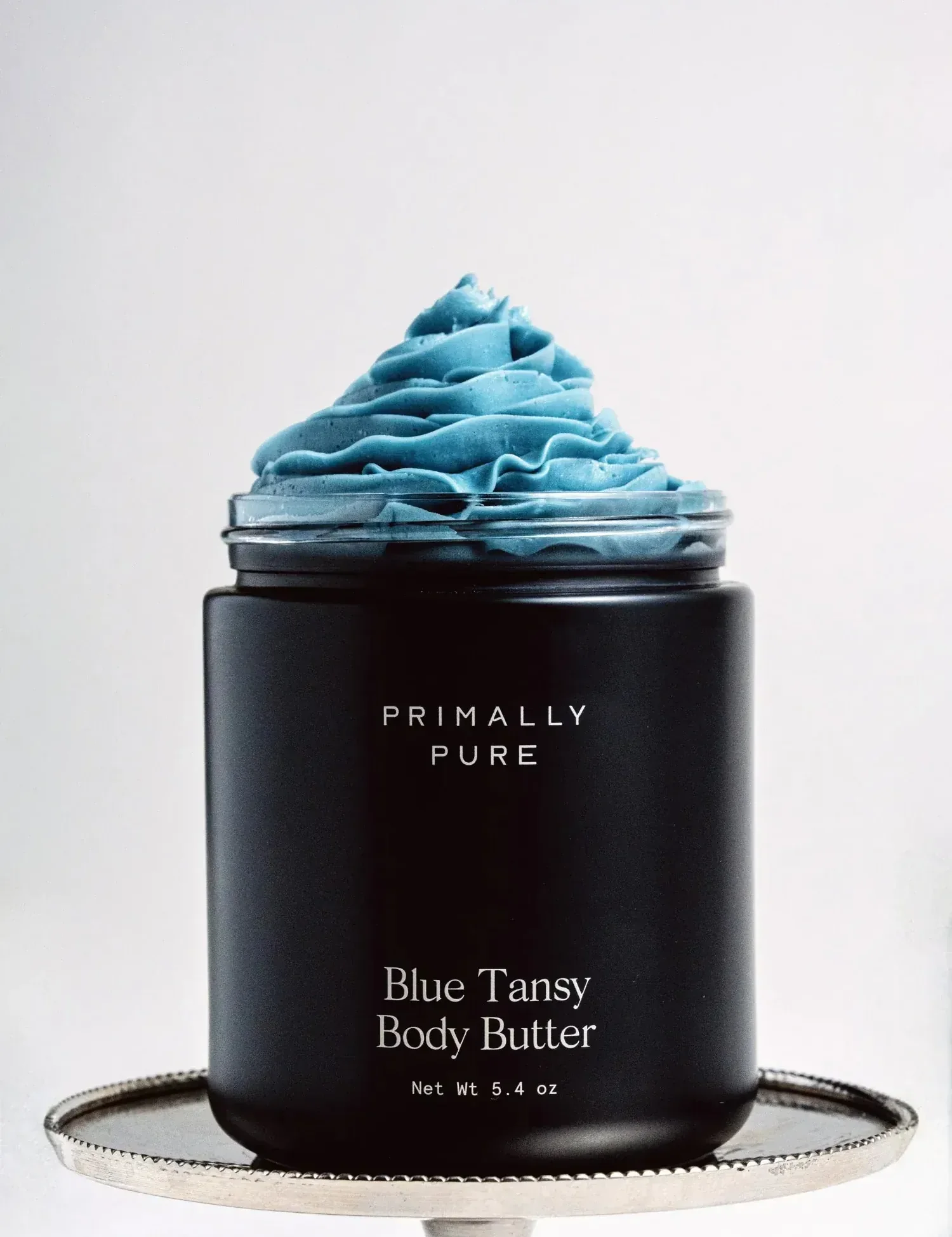
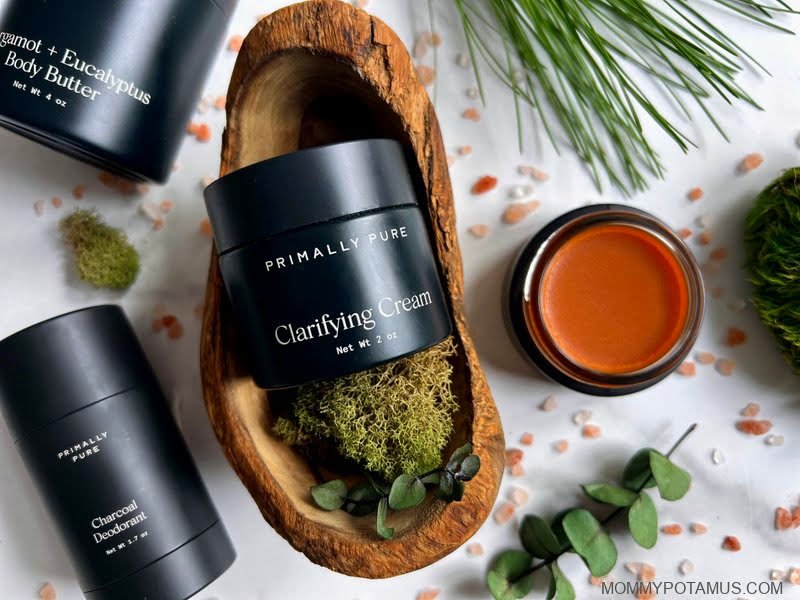
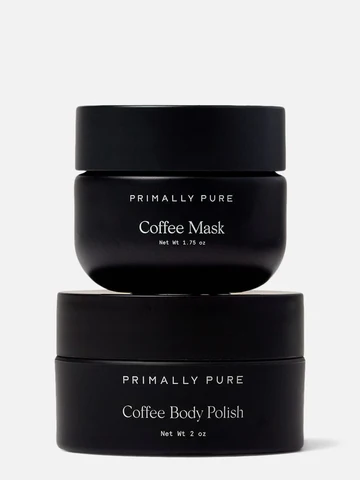
Primally Pure
Minimalist · Botanical · Cruelty-Free · Small Batch
Primally Pure is built on a simple conviction: fewer ingredients, better sourced, honestly formulated. Every product begins with a question — does this ingredient genuinely support the skin, or is it there for texture, shelf life, or cost reduction? Made in small batches in California, free of synthetic fragrance, parabens, and petroleum derivatives — and certified cruelty-free.
Why It Aligns with Shake
- Zero synthetic fragrance — all scent from listed essential oils only
- No parabens, petroleum, PEGs, or silicones — clean formulation baseline
- Cruelty-free certified — fully aligned with Shake’s no animal testing position
- Short, transparent ingredient lists — no hidden compound categories
- Small batch production — genuine quality over scale
- Botanically active formulas — ingredients chosen for skin function, not texture
Also Aligned
Brands moving in
a conscious direction.
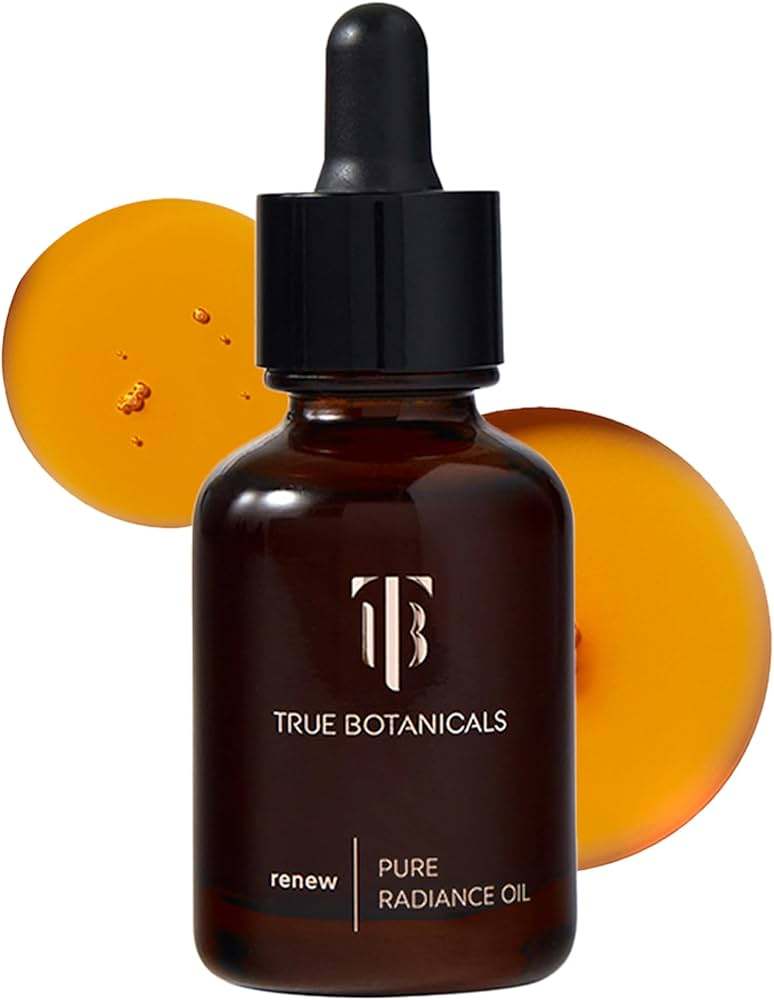
True Botanicals
MADE SAFE Certified · EWG Verified · Clinically Tested
True Botanicals has had every product independently verified by MADE SAFE — screening against 6,500 known toxic chemicals. EWG Verified. Vegan. Cruelty-free. Microbiome-friendly formulations built around pure botanical actives with real clinical efficacy.
- MADE SAFE certified — screened against thousands of harmful substances
- EWG Verified — independent ingredient safety assessment
- Clinically tested — not just clean, but genuinely effective
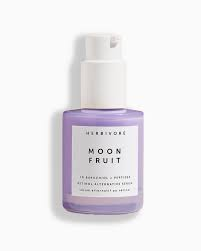
Herbivore Botanicals
Leaping Bunny · Plant-Based · Glass Packaging
Herbivore has built a plant-based skincare line with Leaping Bunny cruelty-free certification at its foundation. The Moon Fruit Serum is one of the most accessible bakuchiol formulations available. Glass packaging throughout — no plastic.
- Leaping Bunny certified cruelty-free — no animal testing at any stage
- Bakuchiol as hero active — the clinically validated plant retinol
- 100% glass packaging — no plastic anywhere
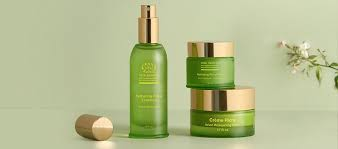
Tata Harper
100% Natural · Farm-to-Face · Full Traceability
Tata Harper grows and processes the majority of its botanical ingredients on its own 1,200-acre Vermont farm. 100% natural. Cruelty-free. No synthetic chemicals, artificial fragrances, or petroleum derivatives. Full farm-to-face ingredient traceability.
- Ingredients grown on their own Vermont farm — genuine farm-to-face
- 100% natural formulations — no synthetic chemicals of any kind
- Full ingredient traceability — know exactly where each active comes from
Ingredient & Material Awareness
Your skin absorbs what you apply.
Every day. For decades.
The skin is not an impermeable barrier. Dermal absorption is a well-documented biological reality. The same pathway that carries vitamin C serum or bakuchiol into the dermis also carries petrolatum contaminants, synthetic fragrance chemicals, parabens, and chemical SPF filters. The average person applies skincare twice daily from adolescence onward — the cumulative exposure calculation is significant.
A 2018 Environmental Working Group analysis found that the average adult uses 9 personal care products daily containing 126 unique chemical ingredients. Women average 168 chemical ingredients per day. The EU has banned or restricted over 1,300 cosmetic ingredients. The US has restricted 11. This regulatory gap is the foundation of the problem.
A Note on Chemical SPF
Oxybenzone was detected in blood at levels exceeding the FDA’s safety threshold after a single day of full-body application. It has been detected in breast milk, amniotic fluid, and human urine in multiple independent studies. It is a known endocrine disruptor. Hawaii banned it in 2018 for coral reef bleaching. Mineral SPF (zinc oxide, titanium dioxide) reflects UV physically, does not absorb into the skin, and is safe for humans and marine ecosystems. This is the only SPF Shake recommends.
The Skin Barrier — Your Most Important Asset
The skin barrier is the body’s first line of defence against environmental toxins, pathogens, and moisture loss. Chronic use of harsh surfactants, synthetic fragrance, and over-exfoliating actives progressively disrupts this barrier. A compromised barrier is not just a skincare concern — it is an immune concern. Microbiome-supportive, minimal-ingredient skincare that works with the skin’s natural biology is the foundation of every long-term skin health outcome.
“What you apply to your skin doesn’t simply sit on the surface. Your skin is designed to absorb — and it does so faithfully, every day, without discrimination. Ingredient literacy is not vanity. It is health literacy.”
From soil to skin —
your choices carry skin deep
The most conscious skincare ritual is not the most elaborate one.
It is the most informed one.
Awareness over overwhelm · Clarity over confusion · Conscious choices over blind consumption