Clothing & Materials — Activewear
Activewear
Move well —
know what moves with you
Activewear is designed to sit as close to your skin as clothing gets — skintight, sweat-wet, and worn during the moments your pores are most open. Yet most of it is made from petroleum-based plastics: polyester, nylon, spandex. These are the very conditions that maximise chemical absorption. Shake asks: what is your activewear actually made from — and what is it doing to your body while you work on yours?
So this page does two things. It scores what the world actually buys, Amazon’s best-selling leggings, joggers and sets, read straight off the label. Then it shows you the pieces that let your skin breathe a little easier, including the rare plastic free activewear worth finding. Small steps count. Some of them even come with pockets.
For the clothes you live in off the mat, see Everyday Clothing; for linen, cotton and wool, Conscious Clothing.

Lululemon’s legging problem, and the one thing a cheaper copy can’t fix
It has been a bruising year for the brand that taught the world to wear leggings to brunch. Here’s what happened, and how it looks through Shake’s lens.
−20%
Sales of its core leggings and women’s tops fell about a fifth in one quarter, and it cut its forecast for the year.
Lululemon’s results, 3 September 2026, as reported by Reuters
7
Roles cut from its fabric team after shoppers complained that new leggings were see-through.
Bloomberg, 14 October 2026
PFAS
Texas opened an investigation into “forever chemicals” in its clothing. Lululemon says it phased PFAS out in its 2023 financial year and is cooperating.
Texas Attorney General, 13 April 2026; Lululemon’s statement to Fox 7 Austin
So, is everyone buying CRZ Yoga instead?
Partly, and nobody publishes the number. CRZ Yoga’s Butterluxe legging is the second best-selling women’s yoga legging on Amazon USA, with more than 10,000 bought in the past month. The market-share data that does name names points to Alo Yoga and Vuori as the brands winning Lululemon’s customers. What we can tell you is what the two leggings are made of.
Lululemon Align™ 25″
$98
59.05%Reconsider
Label: 81% nylon, 19% Lycra elastane.
Same fibres, same proportions, same score. Swapping one for the other saves you $66. It doesn’t change a thing against your skin.
And the other names people swap to
From $118 to $25, we read the label on each brand’s best-known piece. The prices fall a long way. The fibres don’t move.
Alo Yoga
Airbrush High-Waist Legging
87% nylon, 13% elastane
$118
59.05%Reconsider
Vuori Men’s
Sunday Performance Jogger
88% recycled polyester, 12% elastane
$110
55.15%Reconsider
Vuori
Daily Legging
72% polyester, 28% elastane
$75
55.15%Reconsider
Gymshark
Vital Regular Leggings
96% nylon, 4% elastane
$54
59.05%Reconsider
Kirkland Signature (Costco)
Ladies’ Brushed Flare Legging
85% polyester, 15% spandex
Costco
55.15%Reconsider
Eight brands, one recipe: mostly plastic, plus stretch. A new logo on your legging doesn’t change what’s in it.
The swap that does
Pact Everyday Legging
92% organic cotton, 8% elastane. GOTS organic, certified by Control Union (832196). Made in Fair Trade Certified factories, as Pact states.
Cheaper than most of them, and the only legging in this story that is mostly plant. See every legging we scored.
Scores from each label and what each brand publishes, read 21 October 2026; the working is in our Score Ledger. Prices are US list prices on each brand’s own site (Lululemon, Alo Yoga, Vuori, Gymshark) and Amazon USA (CRZ Yoga, Aoxjox, Colorfulkoala, Pact) on that day. The Kirkland Signature label was read on an Amazon resale listing; buy it at Costco. We earn from Amazon on the Amazon links, not from the brands.
What’s in your activewear
Most activewear is between
85–100% plastic.
Polyester, nylon, and spandex are all petroleum-derived plastics. The average pair of leggings is 75–92% plastic by fabric composition. The harder truth: you are sweating in them, skin-to-fabric, for hours at a time — during the moments your body is most physiologically open to absorption.
Typical synthetic content by activewear type
What most activewear is made of
85–92% plastic
Standard leggings
Nylon or polyester, plus 8–15% spandex.
80–95% plastic
Sports bra
High spandex for support, worn for hours.
88–100% plastic
Performance running top
Typically 88% polyester, 12% spandex.
Moving in a conscious direction
8% plastic
MATE the Label
92% GOTS organic cotton, 8% spandex.
0–3% plastic
Icebreaker merino
Merino and TENCEL™. Waistband not described.
0% plastic
Community Clothing
Cotton with natural rubber elastic. No spandex.
The ring shows the share of the fabric that is plastic. Brand figures are as each brand publishes them.
How we ceiling a blend
Cotton with a little stretch is not plastic with a little cotton. Shake caps how natural a blend can score by how much elastane it carries: the more stretch fibre, the lower the ceiling.
A ceiling only caps. The fibre content a brand publishes decides which row its garment sits in.
Swipe to see full table →
| Fabric | Origin | Status | What to Know |
|---|---|---|---|
| Polyester | Petroleum-derived plastic | Avoid | Most widely used activewear fabric. Sheds every wash. Bisphenols have been found in polyester garments (see below). Takes 200+ years to biodegrade. |
| Nylon (polyamide) | Petroleum-derived plastic | Avoid | Softer than polyester but equally petroleum-based. Sheds microfibres with every wash, as polyester does. |
| Spandex / Elastane | Polyurethane plastic | Minimise | BPA found in polyester-spandex sportswear in CEH testing (see below). 8% or less is the conscious benchmark. Zero spandex achievable via merino wool or organic cotton. |
| treatments | Synthetic “forever chemicals” | Avoid | Found in “sweat-proof” and “water-repellent” finishes. Absorbed through skin under sweat conditions. Linked to hormone disruption, fertility issues, and cancer. |
| Merino Wool | Natural — sheep fleece | Recommended | Thermoregulating, moisture-wicking, odour-resistant, biodegrades in 1–5 years. ZQ/ZQRX-certified merino is the highest standard. No spandex needed in most constructions. |
| Organic Cotton | Natural — plant-based | Recommended | GOTS-certified covers farming, processing, and dyeing. Best for yoga and low-to-medium intensity training. MATE the Label benchmark: 92% organic cotton / 8% spandex. |
| TENCEL™ Lyocell | Natural — wood pulp | Recommended | Closed-loop, solvent recovered and reused. -certified. Biodegradable. Uses 65% less water than conventional cotton. Excellent blended with merino wool. |
What to be mindful of
You are sweating in plastic —
and your skin knows it.
Activewear is the category where synthetic fabric risk is highest. Skintight fit, heat, sweat, friction, and hours of wear create the precise conditions under which chemical migration from fabric to skin accelerates. Covering skin so that sweat cannot evaporate can raise the water content of its outer layer by up to 50%, and studies show that can increase the absorption of many, but not all, chemicals through the skin (a 2013 review in Skin Pharmacology and Physiology).
BPA in activewear — what the testing shows
The Center for Environmental Health (CEH) tested sports bras, leggings and athletic shirts and found BPA in polyester garments containing spandex. In October 2022 it sent legal notices to several major sportswear brands, saying wearers could be exposed through the skin to up to 22 times California’s Proposition 65 safe harbour for BPA. Those are allegations, and the 22 times is a calculated exposure, not a measurement. Peer-reviewed surveys have also found lower BPA levels across many textiles, cotton included, so where it comes from is not established. We treat BPA in polyester-dominant garments as a Tier 2 concern: strong enough to score, contested enough to say so.
Microplastics — shed during every workout
A single polyester garment can release more than 1,900 microfibres in one wash (Browne et al., 2011). During wear — particularly high-friction exercise — fibres also shed directly against the skin and into the air you breathe. Clothing accounts for an estimated 35% of the world’s primary microplastic pollution. Microplastics have been detected in human blood, lung tissue, placentas, and fetal tissue. They carry adsorbed pollutants — PFAS, , phthalates — into the body as vectors. A 2024 study confirmed that continuous exposure causes oxidative stress and DNA damage in lung cells.
PFAS — the forever chemicals in “performance” fabric
Activewear labelled “moisture-wicking”, “sweat-proof”, or “water-repellent” is very often treated with PFAS. These synthetic chemicals do not break down in the environment or in the human body. A 2024 University of Birmingham study found certain PFAS can be absorbed through human skin. PFAS have been detected in human blood, breast milk, and organs. They are linked to hormone disruption, fertility issues, thyroid disease, immune dysfunction, and certain cancers. The workout conditions — open pores, sweat, heat, skintight fabric — are precisely the conditions that maximise PFAS absorption.
Dyes: we assume the worst until the brand shows us
Polyester and nylon are dyed with disperse dyes, and disperse dyes are the most common cause of textile contact allergy. The European Union bans azo dyes that can release 22 listed carcinogenic amines in clothing, and regulators elsewhere have found garments over that limit. Most garments pass. But almost no brand tells you which dyes it uses, so we do not guess in its favour. Where the dye chemistry is undisclosed and no certificate we can look up covers the fabric, we score it as the worst thing that kind of dye has been shown to be. Tell us, and the number moves that week, free.
The “recycled plastic” myth
Many activewear brands market recycled polyester — made from PET plastic bottles — as a sustainable choice. It is not a health solution. Recycled polyester sheds the same microplastics as virgin polyester. A 2024 survey of textiles found higher median BPA in recycled fabrics than in conventional ones. It still takes 200+ years to biodegrade. Recycled synthetics reduce virgin plastic demand at source; they do not reduce your skin’s exposure to plastic during wear.
The spandex problem — and the honest position
There is currently no fully natural alternative to spandex that provides equivalent stretch for high-performance activewear. This is the honest reality. The conscious position is not perfection — it is reduction. The benchmark is 8% spandex or less, as pioneered by MATE the Label (92% organic cotton / 8% spandex). Icebreaker achieves stretch in many styles through merino wool fibre engineering with zero spandex. Community Clothing achieves 100% plastic-free through organic cotton and natural rubber.
What to look for
Natural fibres perform.
The science now proves it.
The activewear industry built its performance narrative around synthetics. That narrative is being dismantled — by material science, by independent testing, and by brands proving that merino wool, organic cotton, and TENCEL can match or exceed synthetic performance in most categories.
What you wear to move
should support your body — not work against it
Featured Brand
Breeth
Natural-First Cotton · Made by Hand in Cape Town
Breeth is not the highest number on this page. Icebreaker is. We featured Breeth anyway, because it has the most room to move. A small Cape Town workroom sewing leggings from 90% combed cotton is exactly the kind of quiet rebellion this category needs: most activewear is plastic pretending to be fabric, and Breeth starts from cotton and adds just enough stretch to keep up with you.
Why we featured it
Regular Cotton Leggings · 90% combed cotton, 10% spandex
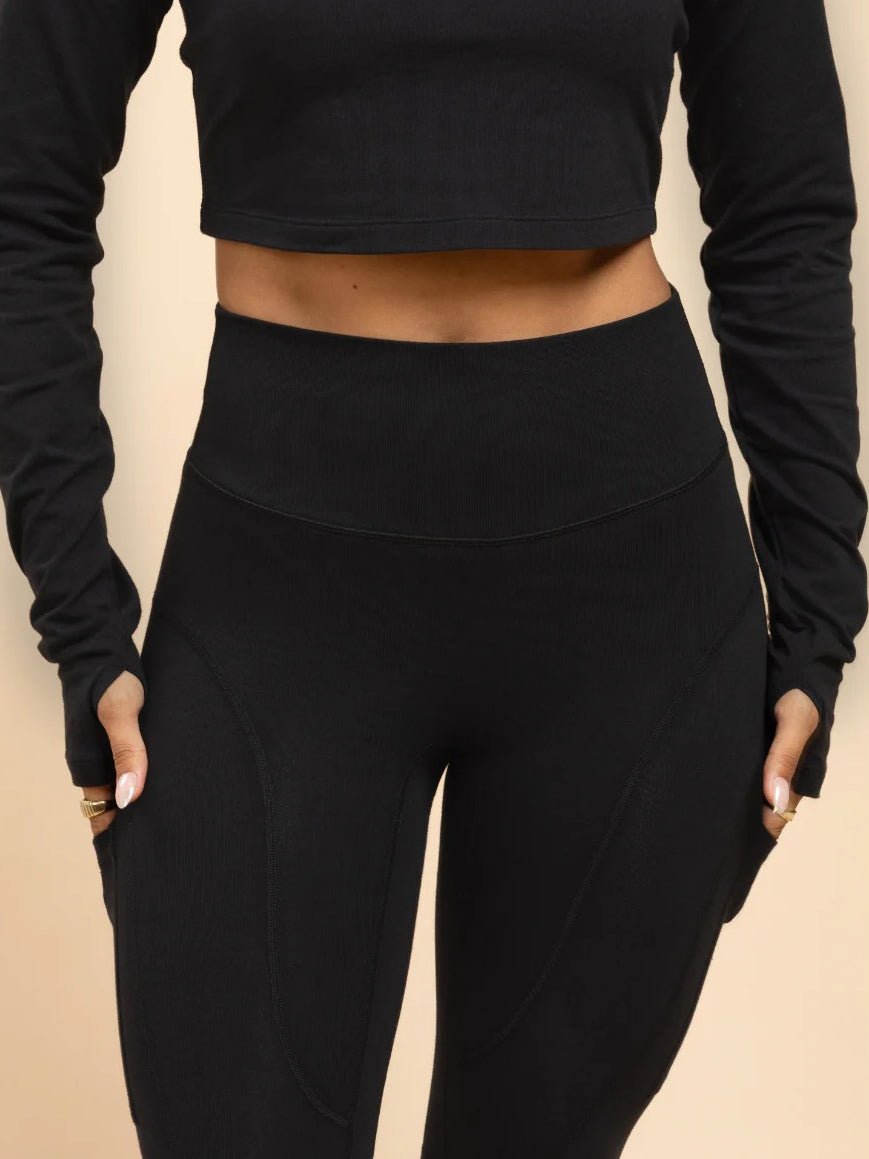
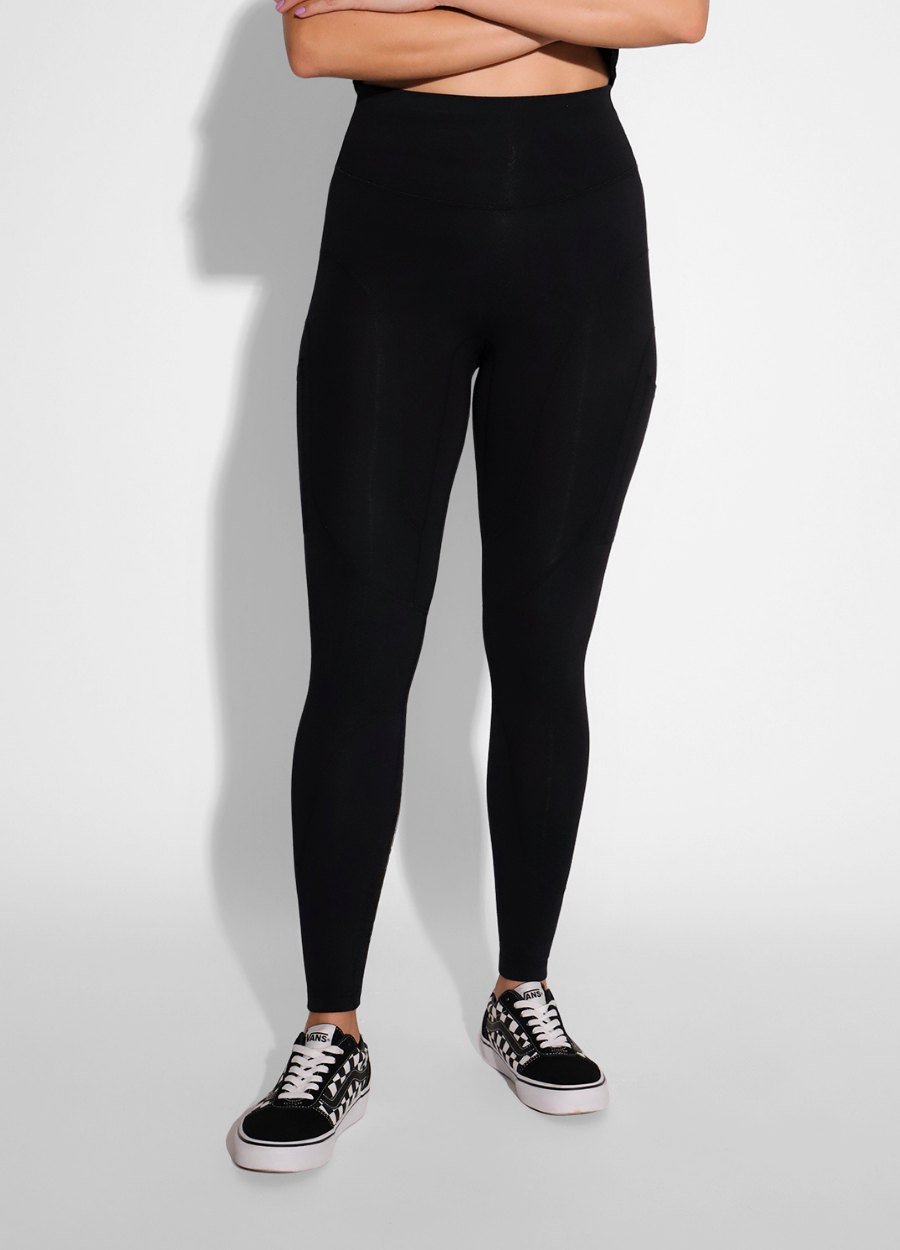
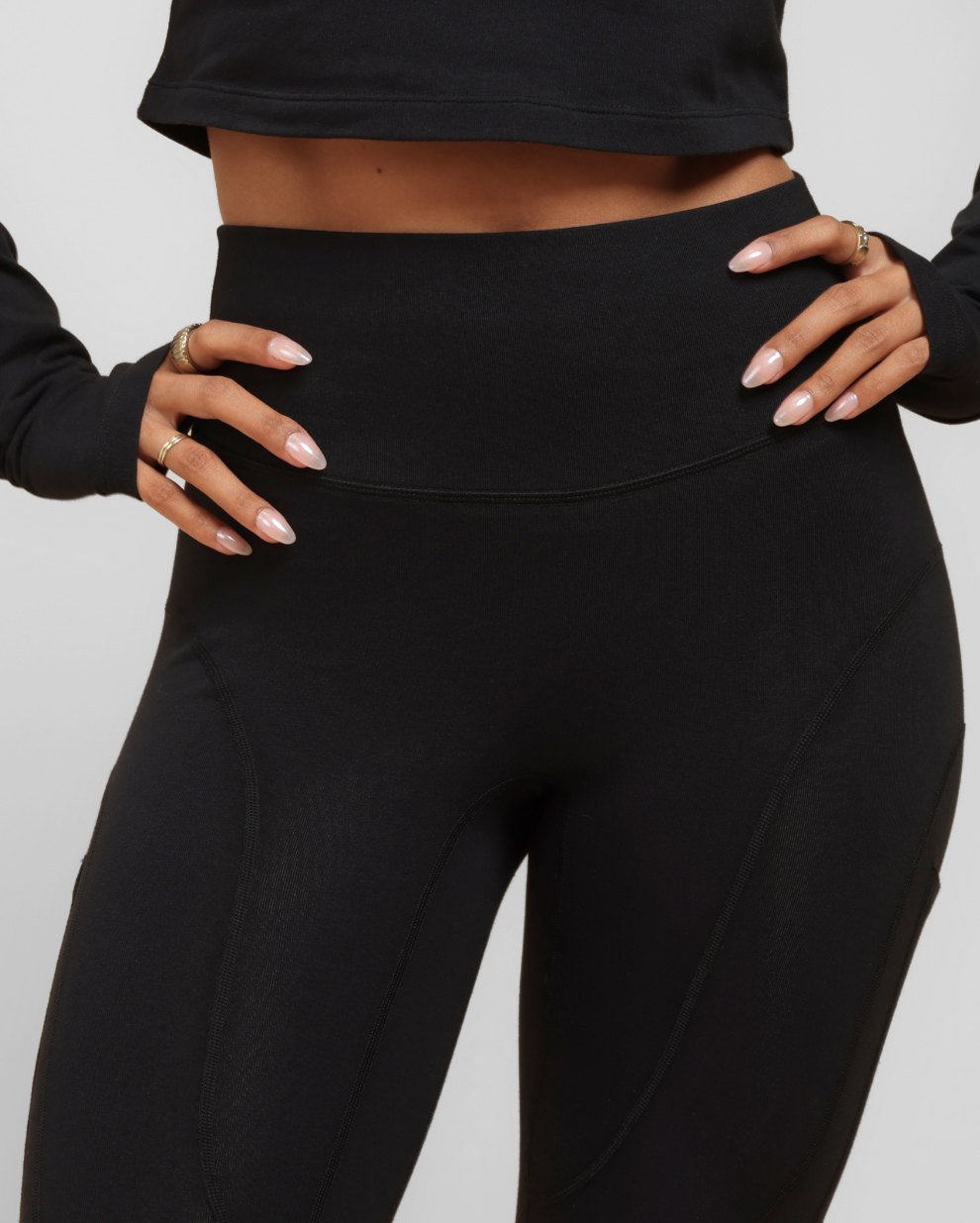
Photographs: Breeth.
- People55
- Animals90
- Gaia80
- Frequency90
- Made by hand in Cape Town, South Africa
- 260 gsm, 90% combed cotton, 10% spandex, excluding trims (product page)
- Says its cotton meets OEKO-TEX Standard 100; no certificate number found
An invitation, not a trophy
Four answers stand between Breeth and a higher score. Every one of them is something a brand can publish in an afternoon.
The waistband and trims
Name the materials, and the legging can be scored whole rather than on the worst case.
The OEKO-TEX certificate number
Publish it with the institute and scope, and the Standard 100 claim becomes evidence we can check.
The dyes
Say what colours the cotton, and People is scored on fact rather than on our dye rows.
A bisphenol test
One result on the finished legging, covering the 10% spandex.
Answer all four and People is no longer held at 55. Publish a GOTS or Organic Content Standard certificate for the cotton as well, and the 10 points off Animals and 20 off Gaia come back. We have written to Breeth. The number moves the day the evidence does.
Questions answered: 0 of 4. The fabric is published (90% combed cotton, 10% spandex, excluding trims). We looked for the certificate number, institute and scope behind the OEKO-TEX Standard 100 claim, the dye chemistry, bisphenol testing, the trim materials, and any organic certification for the cotton. We could not find them. The cotton is therefore scored as conventional, which costs 10 points on Animals and 20 on Gaia. A GOTS or Organic Content Standard certificate removes both deductions. The score reflects what we could check, nothing more and nothing less.
Shake has no commercial relationship with Breeth: no affiliate link, no buy button, no fee. The score is built only from what Breeth publishes.
The Shelf, Scored
Activewear: what sells, and what we would pick
Here is the honest shape of the category. We read Amazon USA’s activewear best sellers, the pieces people actually put in their baskets, and scored every one on the same ruler we use for the brands we love. Then we did the kinder thing and pulled out the ones worth choosing.
Read People first. It is the pillar that asks what sits against your skin for an hour of sweat, and it is where most of this list loses its marks.
Shake Picks
The best-scoring piece of each kind on this page. Every product that scores Worth a Pause or better carries the Shake Pick badge in the list below. Plastic-dominant activewear never does: we score it honestly, and we don’t recommend sweating in it.
Leggings
Icebreaker Merino 200 Oasis Leggings
86.25%Aligned
100% merino fabric, waistband aside. The highest score on this page.
No buy button: no affiliate link. Read its cardJoggers · women’s
Amazon Essentials Women’s Cotton Fleece Jogger
67.30%Worth a Pause
Sixty per cent cotton. The best-selling way to wear a little less plastic.
See where to buySweatpants · men’s
Fruit of the Loom Eversoft Fleece Sweatpants
67.30%Worth a Pause
Sixty per cent cotton, and the men’s list’s best small step.
See where to buyAlready own something you love? Check it in ShakeUP and see which Shake Picks score higher.
Score what you useThe most sold
Twenty-five Amazon USA activewear best sellers: twenty from the women’s list and five from the men’s, socks left out. They run in sales order, not score order, so the top is simply what sells most. Twenty-one of the twenty-five are half plastic or more. Four are mostly cotton, and those four carry the Shake Pick badge. Truly plastic free activewear is rarer still: of everything on this page, only Community Clothing’s range is 0% plastic. Pick a tab to look at one kind of piece. Where the top sellers run thin, we add Shake Picks: better-scored pieces from Amazon USA, so every tab has something worth buying.
| Product | Shake score | Band | |
|---|---|---|---|
Walifrey Joggers with PocketsAmazon USA women’s activewear #1 · 92% polyester, 8% spandexRead morePeople37.6Animals88Gaia40Frequency55 Mostly polyester, so People carries three of our rows: azo dyes (31.2), disperse dyes (15.6) and bisphenols (15.6). With plastic as the main fibre, Gaia and Frequency sit at the plastic ceilings, 40 and 55. A published dye disclosure or a bisphenol test on the finished garment is what would lift People. | 55.15% | Reconsider | See where to buy |
Hanes Women’s EcoSmart Full-Zip HoodieAmazon USA women’s activewear #2 · 50% cotton, 50% polyesterRead morePeople37.6Animals78Gaia40Frequency55 Half cotton, half polyester. Cotton is not the main fibre, so the plastic ceilings for Gaia and Frequency (40 and 55) apply, and People carries the azo-dye, disperse-dye and bisphenol rows. No organic certificate is published, so the cotton is scored as conventional. | 52.65% | Reconsider | See where to buy |
YEOREO Ease Workout LeggingsAmazon USA women’s activewear #3 · 80% nylon, 20% spandexRead morePeople53.2Animals88Gaia40Frequency55 Mostly nylon, so People carries the azo-dye (31.2) and disperse-dye (15.6) rows. The bisphenol row stays off: it attaches to polyester, not nylon. With plastic as the main fibre, Gaia and Frequency sit at the plastic ceilings, 40 and 55. | 59.05% | Reconsider | See where to buy |
Amazon Essentials Women’s Cotton Fleece JoggerAmazon USA women’s activewear #4 · 60% cotton, 40% polyesterRead morePeople53.2Animals78Gaia68Frequency70 Cotton is the main fibre, so Gaia and Frequency are scored on the cotton-rich ceiling rather than the plastic one. People carries the two dye rows; the bisphenol row stays off because polyester is the minority fibre. No organic certificate is published, so the cotton is scored as conventional. A small step, and a real one. | 67.30% | Shake PickWorth a Pause | See where to buy |
PINSPARK Pleated Tennis SkirtAmazon USA women’s activewear #5 · 75% nylon, 25% spandexRead morePeople53.2Animals88Gaia40Frequency55 Mostly nylon, so People carries the azo-dye (31.2) and disperse-dye (15.6) rows. The bisphenol row stays off: it attaches to polyester, not nylon. With plastic as the main fibre, Gaia and Frequency sit at the plastic ceilings, 40 and 55. | 59.05% | Reconsider | See where to buy |
Leafigure High Waisted LeggingsAmazon USA women’s activewear #6 · 92% polyester, 8% spandexRead morePeople37.6Animals88Gaia40Frequency55 Mostly polyester, so People carries three of our rows: azo dyes (31.2), disperse dyes (15.6) and bisphenols (15.6). With plastic as the main fibre, Gaia and Frequency sit at the plastic ceilings, 40 and 55. A published dye disclosure or a bisphenol test on the finished garment is what would lift People. | 55.15% | Reconsider | See where to buy |
Blisset High Waisted Leggings (3-pack)Amazon USA women’s activewear #8 · 92% polyester, 8% spandexRead morePeople37.6Animals88Gaia40Frequency55 Mostly polyester, so People carries three of our rows: azo dyes (31.2), disperse dyes (15.6) and bisphenols (15.6). With plastic as the main fibre, Gaia and Frequency sit at the plastic ceilings, 40 and 55. A published dye disclosure or a bisphenol test on the finished garment is what would lift People. | 55.15% | Reconsider | See where to buy |
PINSPARK High Waisted Tennis SkortAmazon USA women’s activewear #9 · 75% nylon, 25% spandexRead morePeople53.2Animals88Gaia40Frequency55 Mostly nylon, so People carries the azo-dye (31.2) and disperse-dye (15.6) rows. The bisphenol row stays off: it attaches to polyester, not nylon. With plastic as the main fibre, Gaia and Frequency sit at the plastic ceilings, 40 and 55. | 59.05% | Reconsider | See where to buy |
FOHOFO Flare LeggingsAmazon USA women’s activewear #12 · 80% polyester, 20% spandexRead morePeople37.6Animals88Gaia40Frequency55 Mostly polyester, so People carries three of our rows: azo dyes (31.2), disperse dyes (15.6) and bisphenols (15.6). With plastic as the main fibre, Gaia and Frequency sit at the plastic ceilings, 40 and 55. A published dye disclosure or a bisphenol test on the finished garment is what would lift People. | 55.15% | Reconsider | See where to buy |
PRETTYGARDEN Lounge Sweatsuit SetAmazon USA women’s activewear #13 · 56% cotton, 44% polyesterRead morePeople53.2Animals78Gaia68Frequency70 Cotton is the main fibre, so Gaia and Frequency are scored on the cotton-rich ceiling rather than the plastic one. People carries the two dye rows; the bisphenol row stays off because polyester is the minority fibre. No organic certificate is published, so the cotton is scored as conventional. A small step, and a real one. | 67.30% | Shake PickWorth a Pause | See where to buy |
AUTOMET Lounge Sweat SetAmazon USA women’s activewear #14 · 50% cotton, 50% polyesterRead morePeople37.6Animals78Gaia40Frequency55 Half cotton, half polyester. Cotton is not the main fibre, so the plastic ceilings for Gaia and Frequency (40 and 55) apply, and People carries the azo-dye, disperse-dye and bisphenol rows. No organic certificate is published, so the cotton is scored as conventional. | 52.65% | Reconsider | See where to buy |
PINSPARK Half-Zip Sweatsuit SetAmazon USA women’s activewear #15 · 51% polyester, 43% rayon, 6% spandexRead morePeople37.6Animals88Gaia40Frequency55 Mostly polyester, so People carries three of our rows: azo dyes (31.2), disperse dyes (15.6) and bisphenols (15.6). With plastic as the main fibre, Gaia and Frequency sit at the plastic ceilings, 40 and 55. A published dye disclosure or a bisphenol test on the finished garment is what would lift People. | 55.15% | Reconsider | See where to buy |
ALWAYS High Waisted Biker Yoga ShortsAmazon USA women’s activewear #16 · 92% polyester, 8% spandexRead morePeople37.6Animals88Gaia40Frequency55 Mostly polyester, so People carries three of our rows: azo dyes (31.2), disperse dyes (15.6) and bisphenols (15.6). With plastic as the main fibre, Gaia and Frequency sit at the plastic ceilings, 40 and 55. A published dye disclosure or a bisphenol test on the finished garment is what would lift People. | 55.15% | Reconsider | See where to buy |
LOMON Low Rise Micro Mini SkortAmazon USA women’s activewear #17 · 85% polyester, 15% spandexRead morePeople37.6Animals88Gaia40Frequency55 Mostly polyester, so People carries three of our rows: azo dyes (31.2), disperse dyes (15.6) and bisphenols (15.6). With plastic as the main fibre, Gaia and Frequency sit at the plastic ceilings, 40 and 55. A published dye disclosure or a bisphenol test on the finished garment is what would lift People. | 55.15% | Reconsider | See where to buy |
Runhit Workout Biker ShortsAmazon USA women’s activewear #18 · 80% polyester, 20% spandexRead morePeople37.6Animals88Gaia40Frequency55 Mostly polyester, so People carries three of our rows: azo dyes (31.2), disperse dyes (15.6) and bisphenols (15.6). With plastic as the main fibre, Gaia and Frequency sit at the plastic ceilings, 40 and 55. A published dye disclosure or a bisphenol test on the finished garment is what would lift People. | 55.15% | Reconsider | See where to buy |
Danysu Stretchy Mini SkortAmazon USA women’s activewear #20 · 75% nylon, 25% spandexRead morePeople53.2Animals88Gaia40Frequency55 Mostly nylon, so People carries the azo-dye (31.2) and disperse-dye (15.6) rows. The bisphenol row stays off: it attaches to polyester, not nylon. With plastic as the main fibre, Gaia and Frequency sit at the plastic ceilings, 40 and 55. | 59.05% | Reconsider | See where to buy |
Stanpetix Wide Leg SweatpantsAmazon USA women’s activewear #21 · 92% polyester, 8% spandexRead morePeople37.6Animals88Gaia40Frequency55 Mostly polyester, so People carries three of our rows: azo dyes (31.2), disperse dyes (15.6) and bisphenols (15.6). With plastic as the main fibre, Gaia and Frequency sit at the plastic ceilings, 40 and 55. A published dye disclosure or a bisphenol test on the finished garment is what would lift People. | 55.15% | Reconsider | See where to buy |
USAUPUP High Waisted Leggings with PocketsAmazon USA women’s activewear #24 · 92% polyester, 8% spandexRead morePeople37.6Animals88Gaia40Frequency55 Mostly polyester, so People carries three of our rows: azo dyes (31.2), disperse dyes (15.6) and bisphenols (15.6). With plastic as the main fibre, Gaia and Frequency sit at the plastic ceilings, 40 and 55. A published dye disclosure or a bisphenol test on the finished garment is what would lift People. | 55.15% | Reconsider | See where to buy |
MAGCOMSEN UPF 50+ Long Sleeve ShirtAmazon USA women’s activewear #25 · 100% polyesterRead morePeople37.6Animals88Gaia40Frequency55 Mostly polyester, so People carries three of our rows: azo dyes (31.2), disperse dyes (15.6) and bisphenols (15.6). With plastic as the main fibre, Gaia and Frequency sit at the plastic ceilings, 40 and 55. A published dye disclosure or a bisphenol test on the finished garment is what would lift People. The listing also claims UPF 50+ sun protection. That is not an odour, antimicrobial or PFAS claim and we have no repository row for a UV finish, so it costs nothing and earns nothing. | 55.15% | Reconsider | See where to buy |
YEOREO CoreFlex Flare LeggingsAmazon USA women’s activewear #26 · 75% nylon, 25% spandexRead morePeople53.2Animals88Gaia40Frequency55 Mostly nylon, so People carries the azo-dye (31.2) and disperse-dye (15.6) rows. The bisphenol row stays off: it attaches to polyester, not nylon. With plastic as the main fibre, Gaia and Frequency sit at the plastic ceilings, 40 and 55. | 59.05% | Reconsider | See where to buy |
Hanes Men’s EcoSmart HoodieMen’sAmazon USA men’s activewear #1 · 50% cotton, 50% polyesterRead morePeople37.6Animals78Gaia40Frequency55 Half cotton, half polyester. Cotton is not the main fibre, so the plastic ceilings for Gaia and Frequency (40 and 55) apply, and People carries the azo-dye, disperse-dye and bisphenol rows. No organic certificate is published, so the cotton is scored as conventional. | 52.65% | Reconsider | See where to buy |
Hanes Men’s EcoSmart Crewneck SweatshirtMen’sAmazon USA men’s activewear #2 · 50% cotton, 50% polyesterRead morePeople37.6Animals78Gaia40Frequency55 Half cotton, half polyester. Cotton is not the main fibre, so the plastic ceilings for Gaia and Frequency (40 and 55) apply, and People carries the azo-dye, disperse-dye and bisphenol rows. No organic certificate is published, so the cotton is scored as conventional. | 52.65% | Reconsider | See where to buy |
Fruit of the Loom Eversoft Fleece SweatpantsMen’sAmazon USA men’s activewear #3 · 60% cotton, 40% polyesterRead morePeople53.2Animals78Gaia68Frequency70 Cotton is the main fibre, so Gaia and Frequency are scored on the cotton-rich ceiling rather than the plastic one. People carries the two dye rows; the bisphenol row stays off because polyester is the minority fibre. No organic certificate is published, so the cotton is scored as conventional. A small step, and a real one. | 67.30% | Shake PickWorth a Pause | See where to buy |
Amazon Essentials Men’s Fleece SweatpantMen’sAmazon USA men’s activewear #4 · 56% cotton, 44% polyesterRead morePeople53.2Animals78Gaia68Frequency70 Cotton is the main fibre, so Gaia and Frequency are scored on the cotton-rich ceiling rather than the plastic one. People carries the two dye rows; the bisphenol row stays off because polyester is the minority fibre. No organic certificate is published, so the cotton is scored as conventional. A small step, and a real one. | 67.30% | Shake PickWorth a Pause | See where to buy |
Hanes Men’s EcoSmart Zip-up HoodieMen’sAmazon USA men’s activewear #5 · 50% cotton, 50% polyesterRead morePeople37.6Animals78Gaia40Frequency55 Half cotton, half polyester. Cotton is not the main fibre, so the plastic ceilings for Gaia and Frequency (40 and 55) apply, and People carries the azo-dye, disperse-dye and bisphenol rows. No organic certificate is published, so the cotton is scored as conventional. | 52.65% | Reconsider | See where to buy |
denking Open Back Long Sleeve Workout TopShake Pick from Amazon USA · 100% cottonRead morePeople55Animals90Gaia80Frequency100 Plain cotton, no plastic fibre, so Gaia and Frequency are not capped. No organic certificate or dye disclosure is published on the listing, so the cotton takes our two conventional-cotton rows and People stays at its 55 cap. An organic certificate number, or a published dye disclosure, is what would move it. | 81.25% | Shake PickAligned | See where to buy |
HeyNuts Pima Cotton Long Sleeve Workout ShirtShake Pick from Amazon USA · 100% Pima cottonRead morePeople55Animals90Gaia80Frequency100 Plain cotton, no plastic fibre, so Gaia and Frequency are not capped. No organic certificate or dye disclosure is published on the listing, so the cotton takes our two conventional-cotton rows and People stays at its 55 cap. An organic certificate number, or a published dye disclosure, is what would move it. | 81.25% | Shake PickAligned | See where to buy |
Hanes Women’s Cotton Long Sleeve T-ShirtShake Pick from Amazon USA · 100% cottonRead morePeople55Animals90Gaia80Frequency100 Plain cotton, no plastic fibre, so Gaia and Frequency are not capped. No organic certificate or dye disclosure is published on the listing, so the cotton takes our two conventional-cotton rows and People stays at its 55 cap. An organic certificate number, or a published dye disclosure, is what would move it. | 81.25% | Shake PickAligned | See where to buy |
Andrew Scott Men’s Cotton Long Sleeve T-ShirtMen’sShake Pick from Amazon USA · 100% cottonRead morePeople55Animals90Gaia80Frequency100 Plain cotton, no plastic fibre, so Gaia and Frequency are not capped. No organic certificate or dye disclosure is published on the listing, so the cotton takes our two conventional-cotton rows and People stays at its 55 cap. An organic certificate number, or a published dye disclosure, is what would move it. | 81.25% | Shake PickAligned | See where to buy |
Zenana Premium Cotton Biker ShortsShake Pick from Amazon USA · 100% cottonRead morePeople55Animals90Gaia80Frequency100 Plain cotton, no plastic fibre, so Gaia and Frequency are not capped. No organic certificate or dye disclosure is published on the listing, so the cotton takes our two conventional-cotton rows and People stays at its 55 cap. An organic certificate number, or a published dye disclosure, is what would move it. | 81.25% | Shake PickAligned | See where to buy |
Gihuo Men’s Cotton Sweat ShortsMen’sShake Pick from Amazon USA · 100% cottonRead morePeople55Animals90Gaia80Frequency100 Plain cotton, no plastic fibre, so Gaia and Frequency are not capped. No organic certificate or dye disclosure is published on the listing, so the cotton takes our two conventional-cotton rows and People stays at its 55 cap. An organic certificate number, or a published dye disclosure, is what would move it. | 81.25% | Shake PickAligned | See where to buy |
Hanes Men’s Originals Cotton Jersey Gym ShortsMen’sShake Pick from Amazon USA · 100% cottonRead morePeople55Animals90Gaia80Frequency100 Plain cotton, no plastic fibre, so Gaia and Frequency are not capped. No organic certificate or dye disclosure is published on the listing, so the cotton takes our two conventional-cotton rows and People stays at its 55 cap. An organic certificate number, or a published dye disclosure, is what would move it. | 81.25% | Shake PickAligned | See where to buy |
Weintee Women’s Cotton Sweatsuit SetShake Pick from Amazon USA · 100% cottonRead morePeople55Animals90Gaia80Frequency100 Plain cotton, no plastic fibre, so Gaia and Frequency are not capped. No organic certificate or dye disclosure is published on the listing, so the cotton takes our two conventional-cotton rows and People stays at its 55 cap. An organic certificate number, or a published dye disclosure, is what would move it. | 81.25% | Shake PickAligned | See where to buy |
Hanes Women’s Cotton Scoopneck BraletteShake Pick from Amazon USA · 95% cotton, 5% spandexRead morePeople55Animals90Gaia80Frequency95 Mostly cotton with a small share of elastane (5%), which sets the plastic ceilings at 95. No organic certificate or dye disclosure is published, so the cotton takes our two conventional-cotton rows and People stays at its 55 cap. | 80.00% | Shake PickAligned | See where to buy |
Fruit of the Loom Women’s Wireless Cotton Sports BraShake Pick from Amazon USA · 95% cotton, 5% spandexRead morePeople55Animals90Gaia80Frequency95 Mostly cotton with a small share of elastane (5%), which sets the plastic ceilings at 95. No organic certificate or dye disclosure is published, so the cotton takes our two conventional-cotton rows and People stays at its 55 cap. | 80.00% | Shake PickAligned | See where to buy |
CRZ YOGA Pima Cotton Crewneck TopShake Pick from Amazon USA · 92% Pima cotton, 8% elastaneRead morePeople55Animals90Gaia80Frequency90 Mostly cotton with a small share of elastane (8%), which sets the plastic ceilings at 90. No organic certificate or dye disclosure is published, so the cotton takes our two conventional-cotton rows and People stays at its 55 cap. | 78.75% | Shake PickAligned | See where to buy |
Hanes Women’s Stretch Jersey Bike ShortsShake Pick from Amazon USA · 54% cotton, 36% polyester, 10% spandexRead morePeople53.2Animals78Gaia68Frequency70 Mostly cotton, but about 46% of the fibre is plastic, so Gaia and Frequency sit at the 70 ceiling and People carries the azo-dye and disperse-dye rows. A small step, not a clean win. No organic certificate or dye disclosure is published. | 67.30% | Shake PickWorth a Pause | See where to buy |
Hanes Women’s Racerback Cotton T-Back BraletteShake Pick from Amazon USA · 58% cotton, 37% polyester, 5% spandexRead morePeople53.2Animals78Gaia68Frequency70 Mostly cotton, but about 42% of the fibre is plastic, so Gaia and Frequency sit at the 70 ceiling and People carries the azo-dye and disperse-dye rows. A small step, not a clean win. No organic certificate or dye disclosure is published. | 67.30% | Shake PickWorth a Pause | See where to buy |
Also scored
Scored pieces that are not in Amazon’s top 25 this time: five from outside Amazon’s charts, and one fleece-lined jogger that slipped out of the top thirty. We keep every score we have made.
| Product | Shake score | Band | |
|---|---|---|---|
Icebreaker Merino 200 Oasis LeggingsNot in the Amazon lists we read · 100% merino fabric, waistband excludedRead morePeople55Animals100Gaia95Frequency95 Not sold in the Amazon lists we read. Its full working is on its card below. Read the working. | 86.25% | Shake PickAligned | No buy button: no affiliate link |
MATE the Label Organic Stretch Full Length LeggingNot in the Amazon lists we read · 92% organic cotton, 8% spandexRead morePeople55Animals100Gaia90Frequency90 Not sold in the Amazon lists we read. Its full working is on its card below. Read the working. | 83.75% | Shake PickAligned | No buy button: no affiliate link |
Pact Everyday LeggingNot in the Amazon lists we read · 92% organic cotton, 8% elastaneRead morePeople55Animals100Gaia90Frequency90 GOTS organic cotton, certified by Control Union (832196), as Pact publishes. The same make-up and the same score as MATE the Label, and the only Aligned legging on this page you can buy on Amazon. | 83.75% | Shake PickAligned | See where to buy |
Community Clothing Organic Athletic rangeNot in the Amazon lists we read · range scored as a wholeRead morePeople55Animals90Gaia80Frequency100 Not sold in the Amazon lists we read. Its full working is on its card below. Read the working. | 81.25% | Shake PickAligned | No buy button: no affiliate link |
Breeth Regular Cotton LeggingsNot in the Amazon lists we read · 90% combed cotton, 10% spandexRead morePeople55Animals90Gaia80Frequency90 Not sold in the Amazon lists we read. This is our Featured Brand; its full working is above. Read the working. | 78.75% | Shake PickAligned | No buy button: no affiliate link |
G Gradual Fleece Lined JoggersNo longer in Amazon USA’s women’s top 30 · 77% polyester, 23% spandexRead morePeople37.6Animals88Gaia40Frequency55 Mostly polyester, so People carries three of our rows: azo dyes (31.2), disperse dyes (15.6) and bisphenols (15.6). With plastic as the main fibre, Gaia and Frequency sit at the plastic ceilings, 40 and 55. A published dye disclosure or a bisphenol test on the finished garment is what would lift People. | 55.15% | Reconsider | See where to buy |
For brands
Make something that belongs on this shelf?
Apply to be scored. It is free, and we score from what you publish: applying, or working with us, never changes a score.
Three things this table does not say
It does not say polyester leggings will make you ill. Reconsider is a reading on our ruler, not a diagnosis. It tells you how much of what touches your skin the label lets anyone check, and how much it doesn’t.
It does not say the cotton picks are perfect. Forty per cent polyester is still forty per cent plastic. They are small steps, and small steps are how most wardrobes actually change: one jogger at a time.
It does not say these are the only good options. Merino and organic cotton score higher. They just don’t top Amazon’s charts. Yet.
What would move any of these numbers
A published dye disclosure. A bisphenol test on the finished garment. A named material for the waistband and trims. A certificate number with the institute that issued it and what it covers. Any brand on this page can send us any of these, free, at any time. The ruler stays the same; the evidence moves the number.
Scored under the ShakeUP Standard Operating Manual from what each listing and brand publishes. The working for every row is kept in our Score Ledger. Amazon ranks are the US store’s best-seller order.
We earn from Amazon on the links in this table, not from the brands. Amazon pays the same commission whether a product scores 52 per cent or 67, and none of these brands had any part in the number beside its name. Pact’s link is an Amazon link too. Icebreaker, MATE the Label, Community Clothing and Breeth have no buy button because we have no affiliate link with them.
Also Aligned
Brands moving in
a conscious direction.
Icebreaker
Merino Wool · Plastic-Free · ZQ Certified · New Zealand
Merino 200 Oasis Leggings · 100% merino fabric, waistband excluded
- People55
- Animals100
- Gaia95
- Frequency95
Icebreaker was founded in 1995 on a single question: why are we making performance clothing from petroleum when nature already engineered the perfect fibre? Their answer was merino wool from New Zealand’s high-country stations — and that conviction has held for three decades. Icebreaker’s 2024 Transparency Report says 97.56% of the fabrics in its 2024 collection are plastic-free, and its transparency page now says 98.3% of the fabrics in its 2025 collection are, against a goal of 100%. Their core fibres — merino wool, TENCEL™ Lyocell, organic cotton, and linen — are all natural, biodegradable.
- Reports 97.56% plastic-free fabrics in its 2024 collection (brand-reported, 2024 Transparency Report)
- Reports that 81.2% of its wool came from ZQRX farms in 2024–2025 (2025 Transparency Highlights), certified for animal welfare and farming
- Core fabrics biodegrade in 1–5 years — versus 200+ years for synthetic alternatives
- TENCEL™ Lyocell blends using FSC-certified wood pulp via a closed-loop process
- No synthetic spandex required in most styles — stretch achieved through natural fibre engineering
- Reports tracing 100% of its merino wool to the grower (2023 transparency report)
Questions answered: 1 of 4. The product page says 100% merino fabric, excluding the waistband, and names no waistband material. We looked for it, for certificate numbers, and for a dye or PFAS statement, on the product page and the transparency page. We could not find them. The waistband is scored as the worst evidenced elastic, a touch of elastane, which sets Frequency at 95. The score reflects what we could check, nothing more and nothing less.
MATE the Label
92% Organic Cotton · 8% Spandex · GOTS · B Corp
Organic Stretch Full Length Legging · 92% organic cotton, 8% spandex
- People55
- Animals100
- Gaia90
- Frequency90
MATE the Label’s Move line is built on 92% organic cotton and 8% spandex, made in India. It publishes a GOTS certificate number for the cotton and says its finished materials are certified to OEKO-TEX Standard 100. It markets the range as non-toxic, a word we do not score; we score what it publishes.
- 92% organic cotton, 8% spandex, made in India (product page)
- GOTS certificate number published for the cotton: Control Union, #1245496
- B Corp and Climate Label certified, as the brand states
Questions answered: 0 of 4 in full, 2 in part. A GOTS certificate number and certifying body are published (Control Union, #1245496) for the organic cotton. We looked for an OEKO-TEX certificate number, a laboratory report behind the PFAS-free claim, bisphenol testing for the 8% spandex, and the thread and trim materials. We could not find them. The score reflects what we could check, nothing more and nothing less.
Community Clothing
100% Plastic-Free · Organic Cotton · UK-Made
Organic Athletic range · scored as a whole
- People55
- Animals90
- Gaia80
- Frequency100
Community Clothing makes 100% plastic-free activewear — no spandex, no synthetics of any kind. Their sportswear is built from organic cotton with natural rubber for elastic waistbands. Manufactured in the UK: the Organic Athletic range was printed and stitched in a partner factory in north London.
- 100% plastic-free — zero spandex, zero synthetic fibre of any kind
- Organic cotton throughout, made in the UK
- Elastic made from organic cotton and natural rubber
Questions answered: 1 of 3. Composition by component is published, thread included. We looked for the certification scheme and certificate number behind “certified organic cotton”, and for any statement on dyes, across its product pages. We could not find them. Because no certificate number was found, the cotton is scored as conventional cotton from 17 October: 10 off Animals and 20 off Gaia, for the pesticides and irrigation water conventional cotton is evidenced to use. A certificate number with its scope returns it to 88.75%. The score reflects what we could check, nothing more and nothing less.
Every score above is built from what each brand publishes, and the working is kept in our Score Ledger. People is capped at 55 where a question we asked of the garment cannot be answered from published material; any brand can lift it with evidence, free, at any time. How we score. The label writes the score. We don’t. Only evidence moves it.
Correction · 17 October 2026
We published Community Clothing at 88.75% on 16 October without charging its cotton as conventional, although we had not found a certificate number for it. Our own rule says an organic claim counts only when we can look the certificate up: a number, the body that issued it, and what it covers. Applied as written, the cotton carries our two conventional-cotton rows, and the score is 81.25% (Animals 90, Gaia 80), still Aligned. That moves it below MATE the Label, whose GOTS certificate number is published. The same rule was applied to our period-care shelf today.
Correction · 20 October 2026
We now cap the Gaia score of any garment by how much synthetic fibre is in its main fabric, because plastic fibre is shown not to break down (see Cotton goes home. Polyester never leaves). Two scores moved. Icebreaker’s waistband is not disclosed, so we score it as 1–5% elastane: Gaia 100 to 95, overall 87.50% to 86.25%. MATE’s leggings are 8% spandex: Gaia 100 to 90, overall 86.25% to 83.75%. Both stay Aligned and the order of the cards does not change. Community Clothing (no synthetic fibre) and Breeth are unchanged.
Shopper cheat sheet · Where your clothes go
Cotton goes home. Polyester never leaves.
Every wash sheds tiny fibres into the drain. Researchers put them in wastewater, lake water and seawater and waited forty days. Here is how much of each one was gone.
A blend breaks down at about half the rate of cotton, because the cotton half goes home and the plastic half stays behind.
0
Polyester, nylon and polypropyleneshowed virtually no breakdown in seawater, where wool and viscose broke down readily.
<1%
of clothing materialis recycled into new clothing. “Recycled” rarely means “recycled again.”
60%
of clothing in Europeis synthetic fibre. Most of a wardrobe is quietly made of plastic.
Natural fibres
Linen, cotton, hemp, wool, silk: microbes recognise them and take them back.
Blends
The natural part leaves; the plastic part stays, as smaller and smaller pieces.
Plastic fibres
Polyester, nylon, acrylic, elastane, fleece. Recycled polyester too: it is still polyester.
How much plastic, how high the ceiling
Our Gaia score for a garment can go no higher than this, read off the main fabric on the label.
How Shake scores it
The more plastic in the fabric, the lower its Gaia score. Pure plastic tops out at 40.
We read the body fabric on the label. Natural fibre keeps its full score; every share of synthetic lowers the ceiling; plastic-dominant garments can never be a Shake Pick.
Sources: Zambrano MC, Pawlak JJ, Daystar J, Ankeny M, Cheng JJ, Venditti RA, Microfibers generated from the laundering of cotton, rayon and polyester based fabrics and their aquatic biodegradation, Marine Pollution Bulletin 2019 (North Carolina State University with Cotton Incorporated, which funded it; 40-day figures as reported by Cotton Incorporated); Hassan MM, Collie S, Brorens P, Fowler I, Marine biodegradation behavior of wool and other textile fibers, Water, Air, & Soil Pollution 2024 (funded by Australian Wool Innovation); Ellen MacArthur Foundation, A New Textiles Economy (2017); European Environment Agency, Plastic in textiles: towards a circular economy for synthetic textiles in Europe.
Material & Fabric Awareness
The workout that undoes itself —
sweating in plastic.
Exercise is one of the most health-positive behaviours a person can engage in. The irony is that most people exercise in clothing that actively works against the health goals they are exercising for. Open pores, elevated body temperature, sweat, friction, and skintight fit are the precise conditions under which synthetic fabric chemicals — BPA, phthalates, PFAS, synthetic dyes — migrate from fabric to skin most efficiently.
The world’s largest source of primary microplastics is clothing — accounting for an estimated 35% of the total. About 70% of clothes produced globally are made from synthetic (plastic) materials. A single polyester garment can release more than 1,900 microfibres in one wash (Browne et al., 2011). Microplastics have been detected in human placentas, fetal tissue, lung tissue, and the bloodstream. This is not a future concern. It is the current reality of wearing synthetic activewear.
The BPA finding
CEH found BPA in polyester-spandex sports bras and athletic shirts from several major brands. Its October 2022 legal notices calculated skin exposures of up to 22 times California’s Proposition 65 safe harbour. That is an allegation and a calculation, not a court finding or a measurement. Bisphenols have also been found at lower levels in other textiles, cotton included, so we do not say BPA is inherent to spandex. We do score it: bisphenol testing from a named laboratory is now one of our material questions for textiles with synthetic fibre.
The Honest Reality on Spandex
There is currently no fully natural, widely available alternative to spandex that provides equivalent stretch for high-performance activewear. Shake’s position is honest: if you need functional stretch, the minimum is 8% spandex or less (MATE the Label’s benchmark). If you can choose zero spandex — merino wool (Icebreaker) or 100% organic cotton (Community Clothing) — that is the higher standard. The direction matters more than perfection.
“You exercise to support your health. What you exercise in should not quietly undermine it. Material literacy in activewear is not a marginal concern — it is one of the most consequential daily exposure decisions most people never question.”
Move well —
in what you know, with what you trust
The best workout is the one that supports every part of your health.
Including what you wear to do it.
Awareness over overwhelm · Clarity over confusion · Conscious choices over blind consumption
Words on this page
We would rather explain a word than avoid it. Tap any dotted word above, or read them here.
- PFAS
- A large family of synthetic chemicals used to repel water, oil and stains. They break down extremely slowly, which is why they are often called forever chemicals. Their usefulness and their persistence are the same property.
- Endocrine disruptor
- A substance that interferes with the body’s hormone signalling.
- Phthalates
- Plasticisers — they soften plastic and make scent last longer. Tier 1 on Shake’s list, because they are endocrine disruptors — substances that interfere with the body’s hormone signalling. Often not listed by name at all, but hidden inside the single word “fragrance”.
- Microplastics
- Plastic fragments smaller than 5 mm, shed from synthetic fabric, packaging and scrubbing products, and now found in water, soil and food.
- Heavy metals
- Metals and metal-like elements such as lead, cadmium, mercury and arsenic. They do not break down, and they can reach food and products through soil, water, pigments and manufacturing, which is why they are tested for.
- GOTS
- Global Organic Textile Standard — the most comprehensive organic textile standard, covering ecological and social criteria across the whole supply chain, from fibre to finished product.
- FSC
- Forest Stewardship Council — the international standard for responsibly sourced wood and paper, covering forest health, biodiversity, and the rights of workers and local communities.
- B Corp
- A certification from B Lab that scores a whole company on its workers, community, environment, customers and governance. It certifies the business, not a single product.
- Regenerative
- Farming that aims to leave the soil healthier than it found it, through cover crops, less ploughing and grazing that rebuilds the land. There is no single legal definition, so look for a named certification.