
Home & Kitchen · Air Fryers
Everyday appliances,
Everyday Exposure
Air fryers have transformed the way we cook — faster, crispier, with less oil. But most conversations stop at convenience. What we rarely discuss is what happens to the materials inside when temperatures climb past 200°C, and what that means for what ends up in our food.
What to be mindful of
When heat meets material,
the conversation changes.
Air fryers are used daily — sometimes multiple times a day. Understanding the materials involved in high-heat cooking helps us make choices that support long-term wellbeing, without requiring perfection.
Non-stick coatings under heat
Many air fryer baskets are coated with PTFE-based non-stick materials. At high temperatures — particularly above 230°C — these coatings can begin to degrade, releasing compounds into the air and potentially into food. Scratched or worn coatings accelerate this process.
Plastic components & circulating heat
Air fryers use a fan to circulate hot air at high speed. When plastic internal components are exposed to sustained heat, there is potential for low-level off-gassing. This is rarely discussed, but worth understanding when evaluating daily-use appliances.
Basket material composition
Beyond coatings, the base metals used in baskets matter. Lower-quality alloys may contain trace compounds that behave differently under sustained high heat. Material transparency from manufacturers varies significantly across the market.
Repeated daily exposure
A single use creates minimal concern. But air fryers used once or twice daily, every day, represent significant cumulative exposure to heat-reactive materials. Conscious material choices matter most in the tools we reach for habitually.
What to look for
Conscious alternatives exist.
The goal isn’t a perfect air fryer — it doesn’t quite exist yet. The goal is to move toward options that reduce unnecessary material exposure, offer greater transparency, and align with the way Shake thinks about daily tool selection.
Stainless steel baskets
Uncoated stainless steel baskets eliminate the non-stick coating concern entirely. Look for 304 or 316-grade stainless where possible — a meaningful step for daily high-heat cooking.
PFOA & PFAS-free certification
Some brands offer PTFE coatings certified free from PFOA and other PFAS chemicals. PFOA-free coatings represent a meaningful improvement over older formulations worth recognising.
Material transparency from brands
Look for brands that openly publish information about their basket coatings, internal materials, and safety certifications. Transparency is one of the most telling indicators of conscious manufacturing.
Oven-style vs basket models
Oven-style air fryers with wire racks and stainless steel interiors naturally avoid many basket coating concerns — a practical middle ground between a conventional oven and a compact air fryer.
Temperature mindfulness
Keeping temperatures at or below 200°C where possible reduces material stress. Most recipes work beautifully below 200°C — a simple habit that extends appliance life.
Convenience should not
Compromise Health
Featured Brand
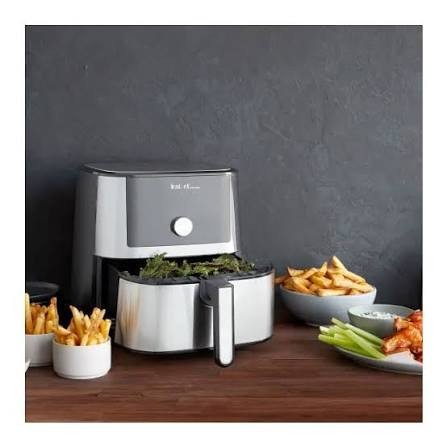
Instant Vortex Plus
Stainless Steel Interior · No Non-Stick Coating
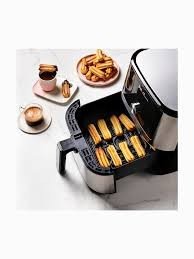
The Instant Vortex Plus with a stainless steel interior represents one of the more accessible entry points into conscious air frying. Rather than relying on a coated basket, the stainless steel cooking surface removes the primary material concern associated with high-heat non-stick surfaces — without requiring a significant lifestyle adjustment.
Why It Aligns
- Stainless steel interior eliminates PTFE coating concern at high heat
- Widely available at accessible price points
- Transparent product specifications published on brand website
- Versatile cooking modes reduce the need for multiple appliances
- Durable construction designed for longevity, not disposability
Conscious Alternatives
Moving in a more conscious direction.
These brands are not presented as perfect. They represent options that offer greater material transparency, improved construction, or reduced coating concerns — worth considering when replacing or upgrading.
How we score Air Fryers
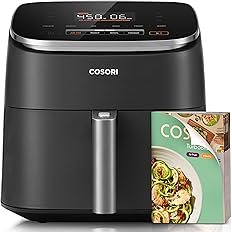
Cosori
BPA-Free · PFOA-Free · Accessible
Cosori has made material transparency a part of their brand communication, publishing PFOA-free and BPA-free certifications across their range. A more conscious entry point at accessible pricing.
- Published PFOA-free and BPA-free certifications
- Honest brand communication around material choices
- Good temperature range and accessible replacement parts
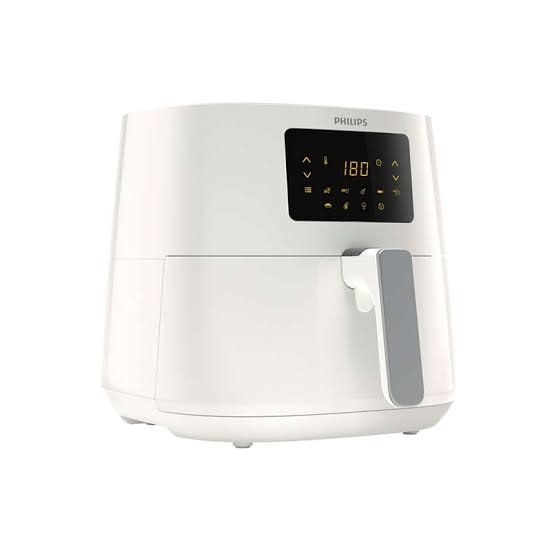
Philips Essential
PFOA-Free · Long-standing durability
One of the original air fryer manufacturers, Philips has moved toward PFOA-free coatings across its range. While PTFE is still present, the removal of PFOA represents a meaningful formulation step. Their engineering consistency is well regarded over time.
- PFOA-free certification across core models
- Robust build quality and wide replacement part availability
- Broad temperature control for moderate-heat cooking
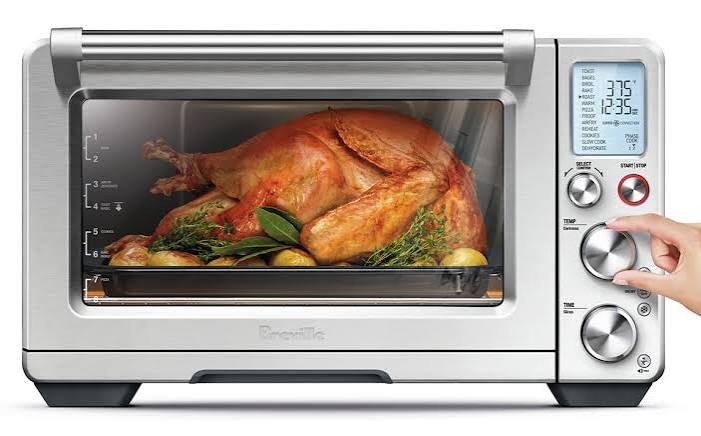
Breville Smart Oven
Oven-Style · Stainless Interior
The Breville Smart Oven Air Fryer uses wire racks and a stainless steel interior rather than a coated basket — naturally sidestepping the non-stick coating conversation while delivering full air frying capability alongside broader oven functions.
- Stainless steel interior eliminates basket coating concern
- Multi-function design reduces total appliance footprint
- Precise temperature control supports mindful cooking habits
Material & Ingredient Awareness
Understanding what surrounds your food.
PTFE — polytetrafluoroethylene — is the compound behind most non-stick surfaces, often known by the brand name Teflon. At standard cooking temperatures it is considered stable. The concern arises above 230°C, where degradation can begin and compounds may be released into the surrounding environment.
PFOA — perfluorooctanoic acid — was the chemical historically used to manufacture PTFE coatings. It has been phased out by most major manufacturers following health and environmental studies linking it to various long-term concerns. However, replacement compounds within the PFAS family continue to be researched for similar properties.
The Shake approach to cookware materials is not to generate alarm. It is to provide material literacy — the simple awareness that what touches your food daily, under sustained heat, is worth understanding. Small material choices repeated over years create meaningful cumulative patterns.
“The body doesn’t process a single meal. It processes the accumulation of daily choices — including the materials those meals were cooked in.”
ShakeUP — Coming Soon
Our future ingredient and material awareness app will let you scan products and understand exactly what’s inside — including cookware coatings and material certifications.
High Heat
Changes Materials
You don’t need a perfect kitchen. You need a more aware one.
One thoughtful tool at a time.
Awareness over overwhelm · Clarity over confusion · Conscious choices over blind consumption