Ritual & Wellness — Coffee Beans
Get your fill of coffee,
to get full of beans
Coffee is one of the most consumed beverages on earth — and for many of us, the first thing we reach for each morning. But what we brew with, what we brew in, and how we source our beans all shape what ends up in our cup. The ritual deserves the same care as the moment itself.
What to be mindful of
What we consume daily
matters more than we think.
Most conversations about coffee focus on flavour. Fewer focus on what’s actually in the cup — from mould and mycotoxins present in lower-quality beans, to the materials we heat and brew through every single morning.
01
Mycotoxins in lower-quality beans
Mycotoxins are naturally occurring compounds produced by certain moulds that develop on coffee beans during improper drying or storage. Lower-quality or commodity-grade coffees are significantly more likely to carry elevated levels. Single-origin, third-wave roasters test and control for this far more rigorously.
02
Pesticide residue in conventional beans
Coffee is one of the most heavily pesticide-treated crops in the world. Conventional farming relies on synthetic pesticides and herbicides that can leave trace residues on beans. Organic certification and direct-trade sourcing provide meaningful assurance that these inputs are minimised or eliminated.
03
Plastic in brewing equipment
Many automatic coffee machines use plastic internal components that hot water passes through under pressure. Heat accelerates chemical migration from plastics — including BPA and other compounds — into the brew itself. The vessel your coffee passes through is part of the ritual equation.
04
Pod systems & material concerns
Single-use coffee pods combine plastic, aluminium, and proprietary lining materials that come into contact with near-boiling water at high pressure. Both the environmental cost and the material interaction make pod systems worth reconsidering — particularly with better alternatives now available.
05
Additives & fillers in blends
Mass-market blended coffees often combine beans of varying quality to achieve consistent flavour at lower cost. Some cheaper commercial blends have been found to include fillers, roasting aids, or undisclosed additives. Transparency about sourcing and composition is a basic standard worth expecting from any brand.
06
Daily accumulation over time
A single cup presents minimal individual risk. The significance lies in daily repetition — one or two cups every morning, every year, across a lifetime. The quality of that daily ritual compounds. Choosing well at the source is one of the highest-leverage conscious choices available to most households.
What to look for
The ritual deserves conscious sourcing.
You don’t need a perfect cup — you need a more aware one. These are the markers worth looking for when choosing beans, brewing methods, and equipment that support rather than compromise your daily ritual.
Certified organic beans
Organic certification means beans were grown without synthetic pesticides or herbicides. It’s an imperfect standard but a meaningful baseline — particularly for a crop consumed daily in high volume. Look for USDA Organic, EU Organic, or equivalent recognised certifications.
Mycotoxin-tested roasters
A growing number of specialty roasters test their beans specifically for mycotoxins and publish their results. This signals a brand that takes the full composition of their product seriously — not just the flavour profile.
Single-origin & traceable sourcing
Single-origin coffees come from one farm, region, or cooperative — making sourcing practices and quality control far more transparent and consistent. Traceability is one of the most meaningful indicators that a roaster takes their supply chain seriously.
Glass, ceramic & stainless brewing
French press, pour-over, moka pot, and AeroPress with stainless or glass components allow hot water to interact only with inert materials. No plastic in the brew path means no chemical migration — regardless of how good the beans are.
Low-acid & gentle roast profiles
Lighter and medium roast profiles preserve more of the bean’s natural antioxidant content. Gentle processing methods that reduce acidity without additives produce a cup that’s both more complex and gentler on the body.
Freshness & roast dating
Brands that print a roast date — not just a best-before date — signal freshness as a priority. Freshly roasted beans consumed within four to six weeks of roast date deliver better flavour and more intact beneficial compounds than older commodity stock.
Bean me up for the day,
what we consume daily matters
Featured Brand
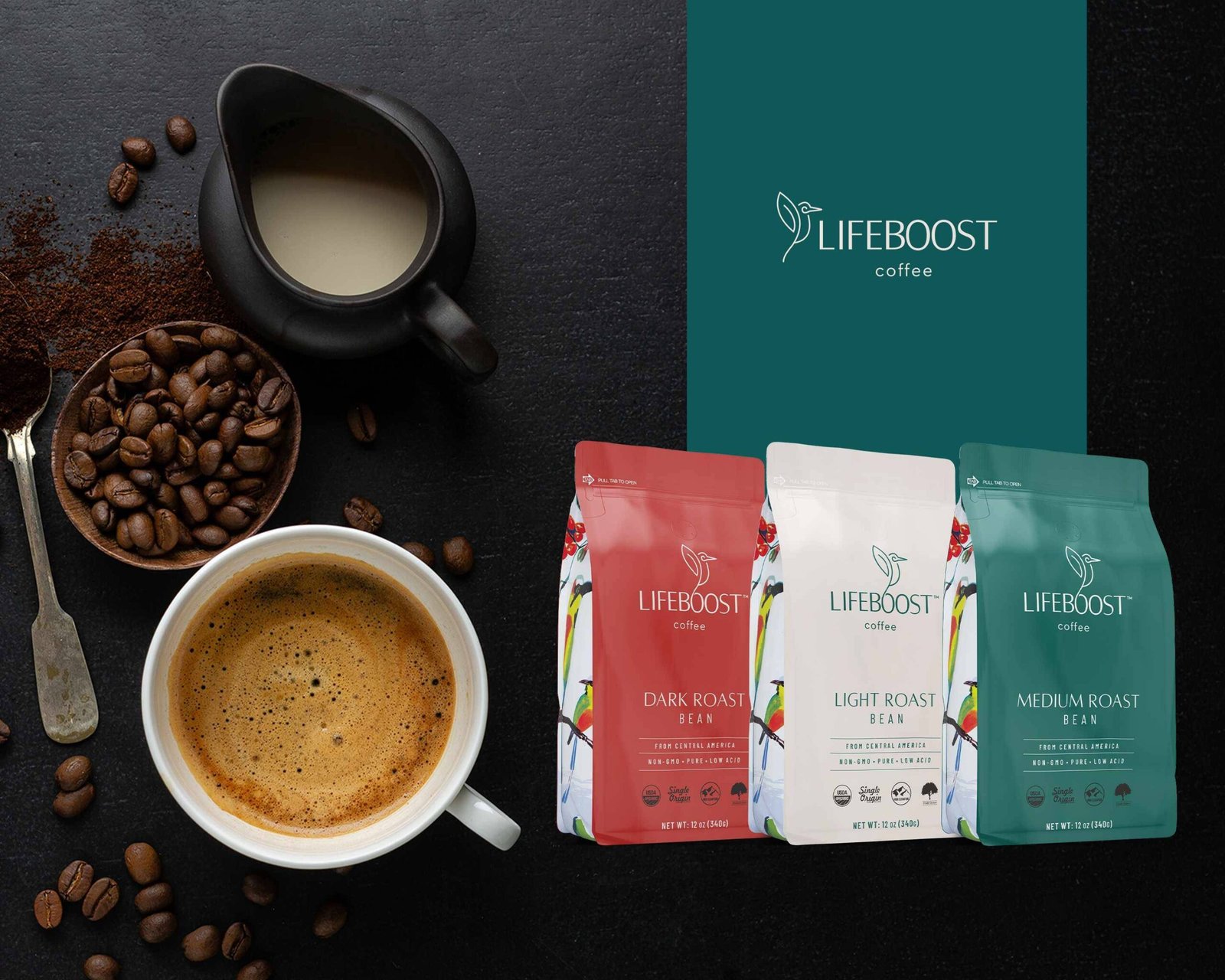
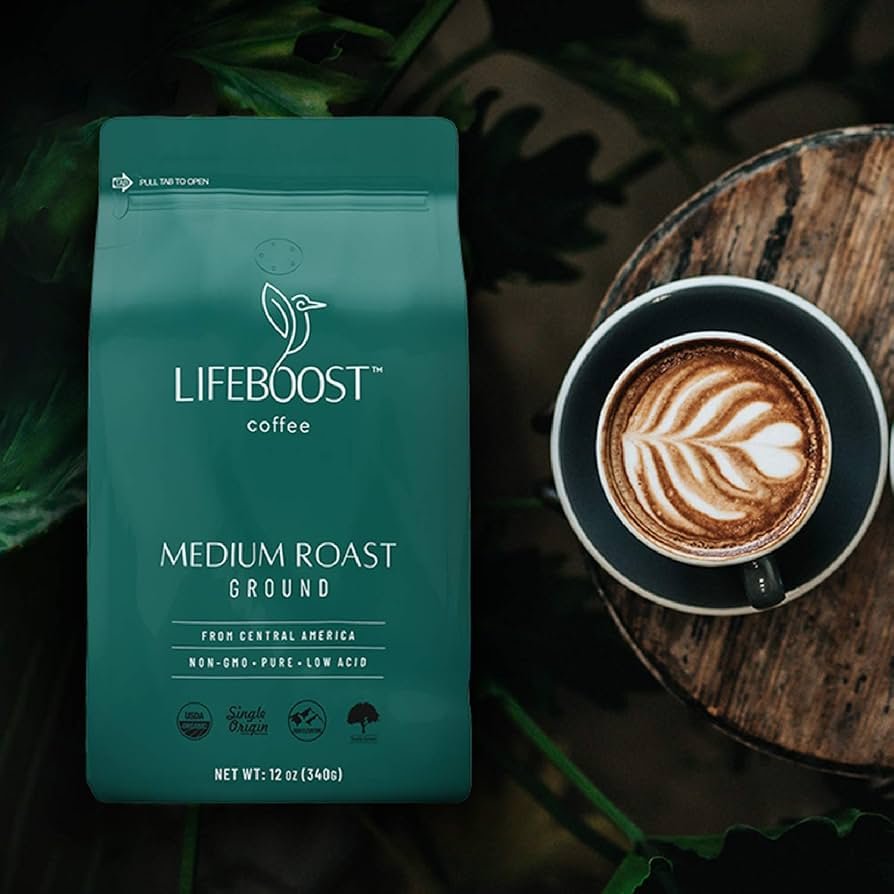
Lifeboost Coffee
Organic · Low-Acid · Mycotoxin Tested
Lifeboost has built its entire identity around what’s not in the cup. Single-origin Nicaraguan beans, shade-grown at high altitude, USDA Organic certified, and independently tested for mycotoxins, pesticides, and heavy metals before roasting. For a daily ritual consumed 365 days a year, this level of sourcing transparency is exactly what Shake looks for.
Why It Aligns
- Third-party tested for mycotoxins, pesticides, and heavy metals
- USDA Organic certified — no synthetic pesticides or herbicides
- Single-origin Nicaraguan beans with full traceability
- Shade-grown at high altitude for slower, cleaner development
- Low-acid profile — gentler on the gut and digestive system
- Transparent sourcing published and independently verified
Conscious Alternatives
Moving in a more conscious direction.
These brands are not presented as perfect. They represent roasters moving toward greater transparency, cleaner sourcing, and more intentional quality control — worth knowing about when choosing your daily cup.
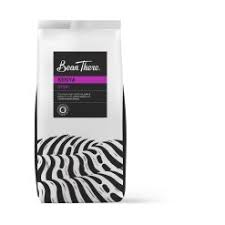
Bean There Coffee
Direct Fairtrade · African Origin · Cape Town
South Africa’s pioneer of direct Fairtrade coffee, Bean There was the first Fairtrade Certified roaster in the country. Based in Cape Town, they source exclusively from African farms — building personal relationships with farmers and paying above market price to ensure ethical, traceable sourcing at origin.
- First Fairtrade Certified coffee roaster in South Africa
- 100% African-origin beans — fully traceable to farm level
- Direct farmer relationships with premium above-market pricing
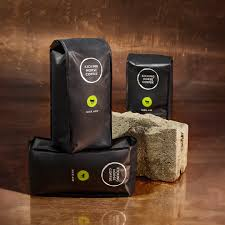
Kicking Horse Coffee
Organic · Fairtrade · B-Corp Certified
Kicking Horse is one of the more accessible certified organic and Fairtrade options available internationally. B-Corp certified, with a strong commitment to ethical sourcing and transparent practices — a solid conscious choice at a more accessible price point.
- Certified organic across entire range
- Fairtrade certified — ethical farmer relationships
- B-Corp certified business practices and transparency
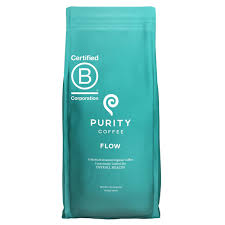
Purity Coffee
Specialty · Antioxidant-Focused · Tested
Purity Coffee is built around a health-first philosophy — selecting beans specifically for their antioxidant content, testing for mould and mycotoxins, and using a roasting process designed to maximise beneficial compounds while minimising harmful ones.
- Independently tested for mycotoxins and mould
- Roasting process optimised for antioxidant preservation
- Specialty-grade organic beans throughout their range
Ingredient & Ritual Awareness
The quality of daily rituals shapes
the quality of daily life.
Coffee is not just a beverage — it is the most repeated daily ritual in most households. What enters the body through that ritual, compounded across years, is worth understanding. The difference between a commodity blend and a consciously sourced, tested, single-origin bean is not small — it is cumulative.
Mycotoxins are not widely discussed in mainstream coffee culture, but they are well-documented in food science. Certain moulds produce compounds including ochratoxin A and aflatoxin B1 that accumulate in improperly stored beans. While roasting reduces but does not eliminate these compounds, sourcing from high-altitude, clean-processed beans significantly reduces baseline exposure.
The brewing vessel is equally important. Hot water under pressure passing through plastic components is a daily chemical exposure most people have never considered. A simple shift to glass, ceramic, or stainless steel brewing removes this variable entirely — without requiring a significant change in routine.
“The quality of a daily ritual is shaped long before the first sip — in the soil it was grown in, the hands that processed it, and the care taken before it reached your cup.”
The quality of daily rituals,
shapes the quality of daily life
Your morning cup is one of the highest-leverage choices you make.
Make it a conscious one.
Awareness over overwhelm · Clarity over confusion · Conscious choices over blind consumption